
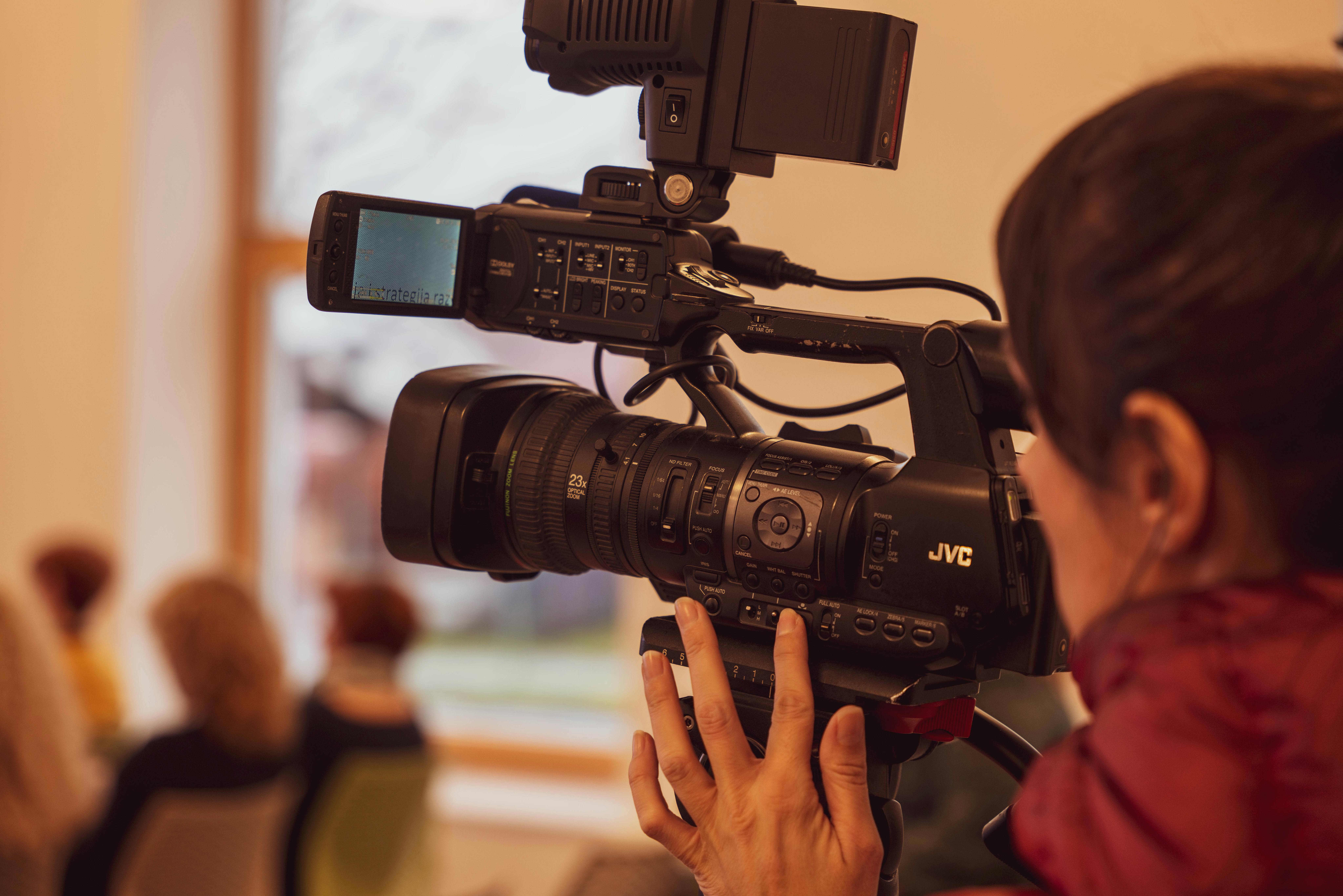
In 2026, Artificial Intelligence (AI) isn't just a buzzword; it's the indispensable co-pilot for filmmakers seeking unparalleled efficiency, creativity, and profitability. This definitive guide explores how AI is fundamentally transforming pre-production, production, and post-production workflows, offering a deep dive into the essential AI tools and platforms you need to invest in now. Discover the leading AI software for script analysis, automated editing, VFX generation, color grading, and sound design, complete with a crucial comparison to help you make informed purchasing decisions and maximize your ROI in the rapidly evolving landscape of cinematic technology.
Introduction to the Topic
Welcome to 2026, a year where the line between human ingenuity and artificial intelligence in filmmaking has blurred into a powerful synergy. The rapid advancements in AI and machine learning have not only streamlined tedious processes but have also unlocked creative avenues previously unimaginable. For the modern filmmaker, understanding and integrating AI tools is no longer an advantage; it's a necessity for staying competitive, reducing costs, and elevating the quality of their craft. From independent creators to major studios, AI is redefining what's possible, promising a future where cinematic vision is realized faster, more efficiently, and with breathtaking precision. This article isn't just about acknowledging the shift; it's about empowering you to harness its full potential, guiding you through the essential AI technologies that are reshaping our industry and offering clear pathways for strategic investment.
Backgrounds & Facts
The journey of AI in filmmaking has accelerated dramatically in recent years. What began as experimental algorithms for facial recognition and basic object tracking has evolved into sophisticated neural networks capable of complex creative tasks. By 2026, we've seen AI move beyond simple automation to become a creative partner. In pre-production, AI-powered scripts can analyze audience preferences, predict box office success, and even generate nuanced character dialogue based on genre and tone. During production, AI assists with smart scheduling, optimizing shot lists, and even controlling robotic camera movements with unprecedented fluidity. However, it's in post-production where AI has truly become a game-changer. Technologies like generative AI for VFX are now commonplace, allowing artists to create photorealistic environments and creatures from text prompts or simple sketches in minutes, not months. Deepfake and de-aging technologies have reached a level of seamless integration that makes historical dramas and continuity fixes a breeze. AI-driven color grading analyzes footage to suggest optimal looks and applies complex corrections with a single click, while intelligent sound design platforms can generate ambient soundscapes, foley, and even compose original scores tailored to emotional beats. The sheer volume of data processed by these algorithms means learning curves are shrinking, and output quality is soaring, democratizing access to high-end production values for creators of all scales. These aren't just incremental improvements; they are foundational shifts that demand attention and strategic adoption.
Expert Opinion / Analysis
“The fear of AI replacing filmmakers is largely misplaced,” states Dr. Anya Sharma, a leading AI ethicist and film technologist. “What we’re seeing in 2026 is AI augmenting human creativity, offloading the repetitive and laborious tasks, and allowing artists to focus on the truly unique aspects of storytelling. It’s a powerful co-creator.” Indeed, the consensus among industry veterans is that AI acts as an accelerator. Directors can iterate on visual concepts faster, editors can sift through terabytes of footage with intelligent tagging, and VFX artists can dedicate more time to refining artistic details rather than building from scratch. The ROI on investing in these tools is becoming undeniable. Studios report significant reductions in post-production timelines and budgets, while independent filmmakers are leveraging AI to achieve production values that were once exclusive to multi-million dollar projects. However, challenges remain. The ethical implications of generative AI, particularly concerning intellectual property and the authentic representation of human performance, are ongoing discussions. Data privacy, algorithm bias, and the potential for 'creative echo chambers' where AI-generated content starts to look and feel similar, are valid concerns that developers are actively addressing. For filmmakers, the key is not just to use AI, but to understand its limitations, guide its output, and maintain a critical human eye. The learning curve for mastering these new interfaces can also be steep, requiring dedicated training. Yet, the benefits – unprecedented speed, cost savings, and expanded creative possibilities – far outweigh these hurdles, making strategic adoption a critical component of any forward-thinking production strategy.
💰 Best Options in Comparison (VERY IMPORTANT)
Navigating the burgeoning market of AI filmmaking tools can be daunting. To help you make informed investment decisions for 2026, we've broken down the leading platforms across key production stages, focusing on their unique selling points, pricing models, and target users. Whether you're a solo creator or part of a larger team, these tools offer significant advantages.
- StorySynth AI (Pre-Production & Scripting): A powerful generative AI platform for scriptwriting, storyboarding, and pre-visualization. It can analyze genre trends, develop character arcs, and even generate dialogue, drastically speeding up the conceptualization phase.
- EditFlow Pro (AI-Assisted Editing): This cloud-based editor leverages AI for automated rough cuts, intelligent shot selection, and scene detection. It integrates seamlessly with major NLEs and offers AI-powered transcription and subtitling, saving countless hours in post-production.
- Resolve Neural Suite 2026 (Integrated Post-Production): Blackmagic Design's DaVinci Resolve continues to push AI boundaries. Its Neural Engine in 2026 offers advanced AI magic mask, super scale, intelligent reframing, facial recognition for color grading, and sophisticated audio separation, all within a unified platform.
- Adobe Sensei Max (Creative Cloud AI): Adobe's AI framework, Sensei Max, is deeply integrated across Premiere Pro, After Effects, and Audition. Features include AI-driven content-aware fill for video, auto-reframe, intelligent audio cleanup, and generative fill for graphics and VFX elements, enhancing existing workflows.
- VFX-Genie (Generative Visual Effects): A standalone platform specializing in text-to-video, image-to-video, and 3D asset generation. VFX-Genie can create hyper-realistic environments, creatures, and complex simulations with minimal input, dramatically cutting VFX budgets and timelines.
- SoundScape Pro (AI Audio Design & Scoring): This innovative tool generates custom soundscapes, foley, and even original musical scores based on video analysis and emotional tags. It offers extensive libraries and AI-driven mixing and mastering capabilities.
AI Filmmaking Tools Comparison Table (2026)
| Tool/Platform | Primary Function | Key AI Features | Pricing Model | Target User | Action |
|---|---|---|---|---|---|
| StorySynth AI | Pre-Production, Scripting, Storyboarding | Genre analysis, character generation, dialogue writing, trend prediction | Subscription (tiered, project-based) | Screenwriters, Directors, Producers | Explore Plans |
| EditFlow Pro | AI-Assisted Video Editing | Automated rough cuts, intelligent shot selection, transcription, subtitling | Subscription (monthly/annual) | Editors, Content Creators | Start Free Trial |
| Resolve Neural Suite 2026 | Integrated Post-Production | Magic Mask, Super Scale, intelligent reframing, facial color grading, audio separation | One-time purchase (Studio), Free (Basic) | Editors, Colorists, VFX Artists, Sound Designers | Learn More |
| Adobe Sensei Max | Creative Cloud AI Enhancements | Content-aware fill, auto-reframe, intelligent audio cleanup, generative graphics | Creative Cloud Subscription | Adobe CC Users, Editors, VFX Artists | View CC Plans |
| VFX-Genie | Generative Visual Effects | Text-to-video, image-to-video, 3D asset generation, photorealistic environments | Subscription (usage-based, tiered) | VFX Artists, Animators, Indie Filmmakers | Get Started |
| SoundScape Pro | AI Audio Design & Scoring | Generative soundscapes, foley, original scores, AI mixing/mastering | Subscription (project-based, tiered) | Sound Designers, Composers, Editors | Download Demo |
Choosing the right AI tools depends on your specific workflow and budget. Many platforms offer free trials or basic versions, allowing you to test their capabilities before committing. Strategic investment in these technologies is not just about adopting new software; it's about future-proofing your filmmaking career and unlocking unprecedented creative and financial returns.
Outlook & Trends
Looking ahead, the integration of AI into filmmaking will only deepen. By the end of the decade, we can anticipate fully autonomous rough cuts and assembly edits becoming standard, with AI learning individual editor's styles. Real-time, on-set AI assistance will provide instant feedback on continuity, lighting, and performance, minimizing costly reshoots. The convergence of AI with virtual production (VP) and extended reality (XR) will create hyper-realistic digital sets and characters that respond dynamically to live actor performances. Personalized content creation, where AI adapts narratives and visuals for individual viewers, might become a niche but growing market. Ethical AI development will continue to be a paramount concern, pushing for transparency, accountability, and fair use policies. Furthermore, expect AI to play a significant role in distribution and marketing, optimizing trailers, targeting audiences, and even predicting content longevity. The future of filmmaking isn't just about AI doing tasks; it's about AI transforming the entire ecosystem, making it more agile, more accessible, and infinitely more creative.
Conclusion
The year 2026 marks a pivotal moment where AI has cemented its role as an indispensable partner in filmmaking. From automating mundane tasks to generating breathtaking visuals and intricate soundscapes, these intelligent tools are empowering creators to realize their visions with unparalleled efficiency and artistic depth. Embracing AI is no longer a luxury but a strategic imperative for filmmakers aiming to maximize their creative output and financial returns. By carefully selecting and integrating the right AI platforms into your workflow, as highlighted in our comprehensive comparison, you are not just investing in software; you are investing in the future of storytelling. The machines are here to enhance, not replace. It's time to master them and redefine what's possible on screen.