
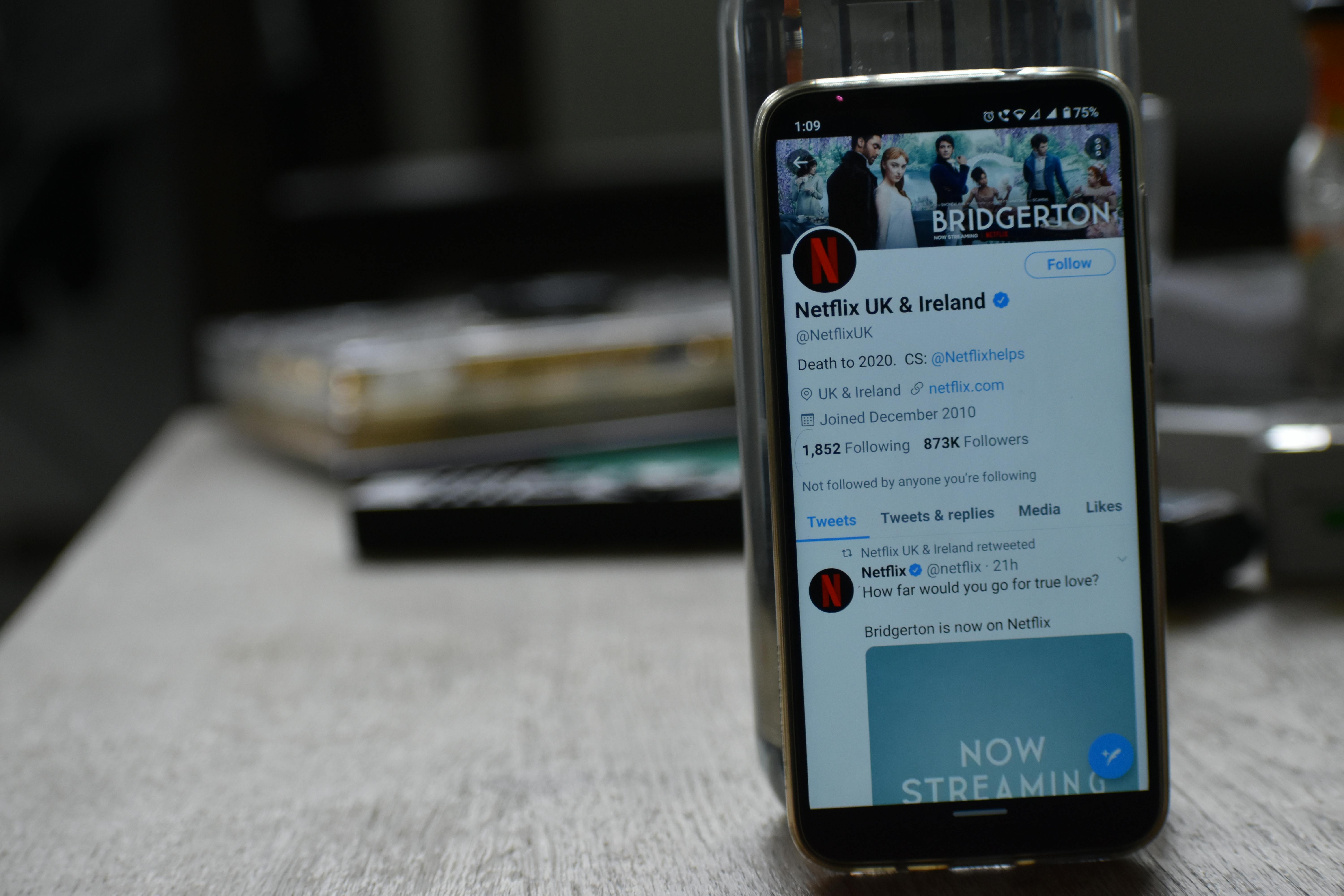
In 2026, streaming fragmentation is a nightmare for your wallet. Discover the best streaming super-bundles and aggregator platforms that promise significant savings, exclusive content, and a unified viewing experience. Compare top deals, pricing, and features to find the perfect streaming subscription and maximize your entertainment budget.
Introduction to the Topic
Welcome back to videostadium.com, your premier source for navigating the ever-evolving world of digital entertainment. For years, the promise of cord-cutting was liberation from expensive cable packages. But by 2026, many households find themselves grappling with 'subscription fatigue' – a dizzying array of individual streaming services, each demanding its own monthly fee, login, and content library. The average household now subscribes to 5-7 services, pushing monthly entertainment costs well beyond what many initially saved by ditching traditional TV. The dream of affordable, à la carte content has morphed into a complex web of overlapping subscriptions and forgotten trials.
Enter the era of the 'Streaming Super-Bundle' and the rise of 'Aggregator Platforms'. These aren't your grandmother's cable packages; they're sophisticated, often customizable solutions designed to bring order, convenience, and significant savings back to your entertainment budget. From telecom giants bundling services with your internet and mobile plans, to content conglomerates creating mega-packs, and even dedicated platforms acting as universal hubs, the landscape is shifting dramatically. This comprehensive guide will dissect the best streaming bundles and aggregator services available in 2026, helping you cut through the clutter, optimize your spending, and reclaim control over your digital viewing experience. Are you ready to stop overpaying and start maximizing your entertainment value?
Backgrounds & Facts
The journey to the 2026 streaming landscape has been a rapid and often chaotic one. Following the initial boom of Netflix, Hulu, and Amazon Prime Video in the late 2010s, nearly every major media company launched its own direct-to-consumer service. Disney+, HBO Max (now Max), Peacock, Paramount+, Apple TV+, and countless niche platforms flooded the market, each boasting exclusive content and unique value propositions. While this content explosion was a boon for viewers, it quickly led to a fractured experience. Users found themselves toggling between apps, managing multiple billing cycles, and often paying for services they only used sporadically.
By 2024-2025, industry analysts observed a plateau in new subscriber growth for many individual services, coupled with increasing churn rates. Consumers were actively seeking ways to consolidate their subscriptions and reduce overall costs. This trend, combined with the strategic imperative for media companies to retain subscribers and reduce acquisition costs, paved the way for the resurgence of bundles. Early examples, like the Disney+/Hulu/ESPN+ trio, demonstrated the power of combined offerings. However, 2026 sees these bundles evolve into far more sophisticated aggregators. Telecom providers, recognizing the value of owning the customer relationship, have become major players, offering deep discounts on streaming services when combined with broadband or mobile plans. Device manufacturers and even smart TV platforms are also stepping into the aggregator role, creating seamless interfaces that integrate content from disparate services under one roof, often with a single bill.
The shift isn't just about cost; it's also about convenience. AI-powered recommendation engines within these aggregators can now pull suggestions from across all included services, creating a truly personalized viewing journey. Furthermore, the integration of live sports and news, once the exclusive domain of traditional TV, is now a cornerstone of many premium super-bundles, effectively completing the cord-cutting circle without the previous compromises. The market is maturing, and the savvy consumer knows that navigating these new bundled offerings is key to unlocking maximum entertainment value in 2026.
Expert Opinion / Analysis
“The era of individual streaming subscriptions as the primary model is rapidly fading,” states Dr. Elena Petrova, a leading digital media economist and contributor to videostadium.com. “By 2026, the market has clearly bifurcated: you have the essential, stand-alone mega-platforms like Netflix, and then you have a burgeoning ecosystem of super-bundles and aggregators that are becoming the preferred method for consumers to access a broader range of content.”
Dr. Petrova explains that the strategic motivations behind this shift are multi-faceted. “For the providers, it’s about reducing churn and increasing customer lifetime value. Bundles make it stickier. If you’re getting three services for a discounted price, you’re less likely to cancel one in isolation. For telecom companies, it’s a powerful incentive to attract and retain broadband and mobile subscribers in an increasingly competitive market.” She also highlights the data advantage: “Aggregators, especially those with their own recommendation engines, gain invaluable insights into cross-platform viewing habits, allowing for hyper-targeted advertising and content development.”
However, the expert analysis also points to potential pitfalls. “While the promise is savings and simplicity, consumers must remain vigilant,” warns media industry veteran, Marcus Chen. “Not all bundles are created equal. Some may include services you don't truly need, or lock you into longer contracts. The 'ad-supported' tiers are also increasingly prevalent even within bundles, meaning that 'saving money' might come at the cost of a less premium viewing experience. We're also seeing some aggregators prioritize their own content or partners in search results, potentially limiting true content discovery.”
The key, according to both experts, is informed choice. “Consumers need to carefully evaluate their viewing habits, compare the true cost savings, and understand the terms of each bundle,” advises Dr. Petrova. “The best streaming bundle isn't necessarily the cheapest; it's the one that delivers the most value for your specific entertainment needs.” This analytical perspective underscores the importance of our detailed comparison in the next section.
💰 Best Options in Comparison (VERY IMPORTANT)
Navigating the 2026 streaming landscape requires a strategic approach, especially when it comes to super-bundles and aggregator platforms. Here are some of the top contenders that offer compelling value and a streamlined experience. Remember, pricing and included services are subject to change, but these represent the leading models.
-
OmniStream Prime Entertainment Pack
A flagship offering from a major telecom provider, OmniStream Prime is designed for the household that wants it all. It bundles a premium internet package with a core selection of top-tier streaming services, often including Max, Paramount+ with Showtime, and a sports-centric add-on like ProSports Live. Their unique selling proposition is a single bill and a unified interface that allows seamless content discovery across all included platforms. Ideal for families and sports enthusiasts.
-
MediaVerse Global Access
This aggregator focuses on international content and niche interests, perfect for cinephiles and global culture enthusiasts. MediaVerse curates a selection of services like Mubi, Crunchyroll, and a rotating independent film library, often allowing users to 'build their own' bundle from a curated list of 10-15 services, with discounts increasing as more services are added. It’s less about mainstream blockbusters and more about diverse, high-quality programming.
-
FamilyConnect Ultimate Bundle by GigaNet
GigaNet, a leading internet service provider, targets families with their Ultimate Bundle. Beyond high-speed internet, it integrates Disney+, Hulu (ad-free), Apple TV+, and a parental-control-focused educational app suite. It emphasizes ease of use, robust parental controls, and a diverse content library suitable for all ages, from preschoolers to adults. Often includes a smart home device or security camera as a bonus.
-
StreamHub Pro by TechCo
TechCo's StreamHub Pro is a device-agnostic aggregator that acts as a universal content launcher and billing consolidator. While it doesn't offer direct discounts on the streaming services themselves, it provides a single monthly bill for all your chosen subscriptions and an AI-driven recommendation engine that learns your preferences across platforms. It's for the power user who wants ultimate control and a unified discovery experience without being tied to a specific telecom provider.
Here's a comparison table to help you weigh your options:
| Bundle/Platform | Key Services Included (Example) | Monthly Price (Est. 2026) | Key Features | Target Audience | Pros | Cons |
|---|---|---|---|---|---|---|
| OmniStream Prime Entertainment Pack | Max, Paramount+ with Showtime, ProSports Live, Premium Internet | $120-$150 (incl. internet) | Single bill, unified UI, 4K streaming, cloud DVR | Families, sports fans, those seeking full entertainment suite | Significant savings on multiple services, ultimate convenience, robust sports coverage | Requires OmniStream internet, less flexible service selection |
| MediaVerse Global Access | Mubi, Crunchyroll, Shudder, IndieFlix (choose 3-5) | $25-$45 (tiered pricing) | Customizable bundles, focus on niche/international content, ad-free options | Cinephiles, anime fans, indie film lovers, diverse content seekers | Tailored to specific tastes, great for discovering new content, good value for niche services | Limited mainstream appeal, no internet bundling |
| FamilyConnect Ultimate Bundle by GigaNet | Disney+, Hulu (ad-free), Apple TV+, EduKids Apps, Premium Internet | $100-$130 (incl. internet) | Parental controls, kid-friendly interface, smart home integration | Families with children, those valuing safe and educational content | Comprehensive family entertainment, strong parental features, integrated tech bonuses | Requires GigaNet internet, less appeal for adult-only households |
| StreamHub Pro by TechCo | User selects any streaming services (e.g., Netflix, YouTube Premium, etc.) | $5-$10 (platform fee) + sum of chosen subscriptions | Unified billing, cross-platform search, AI recommendations, device agnostic | Power users, those with existing subscriptions, content discovery enthusiasts | Ultimate flexibility, single bill for all services, superior content discovery | No direct service discounts, requires a separate platform fee |
When making your choice, consider not just the monthly price, but the total value. Do the included services align with your viewing habits? Does the aggregator offer the convenience and features you desire? Don't hesitate to compare these options against your current individual subscriptions to see your potential savings!
Outlook & Trends
The streaming landscape in 2026 is dynamic, and the evolution of super-bundles and aggregators is far from over. Looking ahead, several key trends are poised to shape the future of how we consume digital content.
Firstly, expect even deeper integration of AI. Recommendation engines will become hyper-personalized, not just suggesting content you might like, but even anticipating your mood or time of day to offer the perfect viewing experience. Furthermore, AI could play a role in dynamic pricing, offering personalized bundle deals based on your viewing history and perceived value.
Secondly, the line between streaming, gaming, and interactive content will continue to blur. We anticipate bundles that seamlessly integrate cloud gaming services, interactive storytelling experiences, and even virtual reality content, creating truly immersive entertainment ecosystems. Imagine a single subscription that gives you access to the latest blockbuster film, a multiplayer game based on that film's universe, and an interactive side-story, all within one platform.
Thirdly, expect more specialized, 'micro-bundles' catering to ultra-niche audiences. While broad entertainment bundles will remain popular, there's a growing market for highly specific content combinations – perhaps a bundle for independent horror films, or one for classic anime from specific decades. These will likely be offered through aggregator platforms that allow for greater customization.
Finally, sustainability and ethical considerations will play a larger role. Consumers are increasingly aware of the environmental impact of data centers and content production. Bundles that highlight eco-friendly practices or offer options to support diverse creators may gain a competitive edge. The future of streaming is not just about content and price; it's about a holistic, personalized, and increasingly conscious entertainment experience.
Conclusion
The days of endlessly subscribing to individual streaming services and watching your entertainment budget balloon are behind us. In 2026, the rise of streaming super-bundles and sophisticated aggregator platforms offers a powerful solution to subscription fatigue, delivering convenience, consolidated billing, and significant cost savings. Whether you're a family seeking diverse content and robust parental controls, a sports fanatic craving live action, a cinephile exploring global cinema, or a power user demanding ultimate control and discovery, there's a bundle or aggregator designed for you.
By carefully evaluating your viewing habits and comparing the comprehensive options laid out in this guide, you can confidently choose the best streaming subscription that aligns with your needs and maximizes your entertainment value. Don't let the fragmentation of content dictate your spending. Take control, consolidate your subscriptions, and start enjoying a more streamlined, affordable, and enriched digital entertainment experience today. Visit videostadium.com for more expert reviews and to share your favorite bundles!