
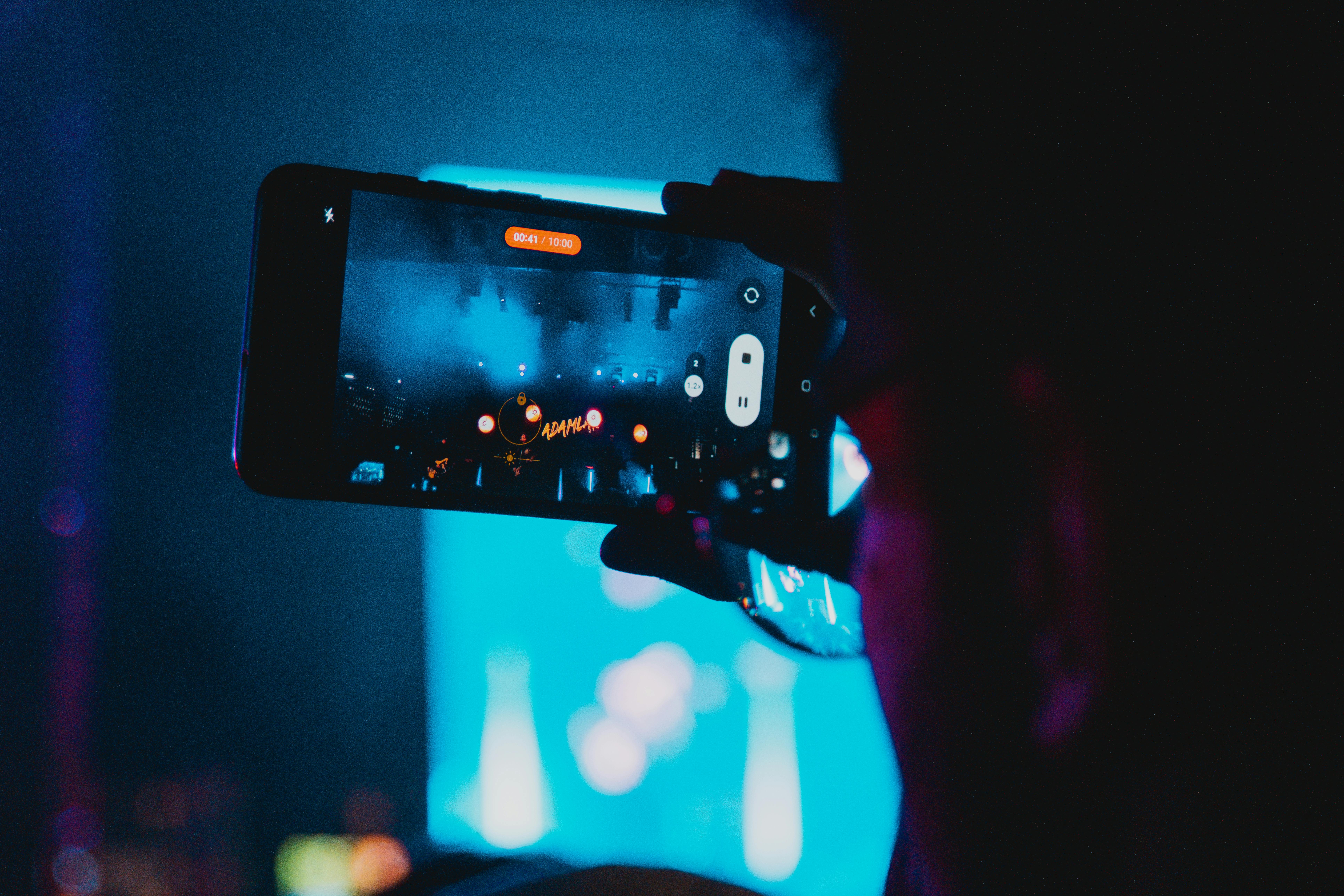
Dive into the electrifying world of AI-powered virtual production and immersive XR experiences, reshaping music videos in 2026. Discover the top platforms, services, and tools for artists and filmmakers looking to create next-generation visuals, optimize their budget, and captivate audiences like never before. From generative AI to cutting-edge virtual sets, we compare the best options to elevate your music video game and secure your spot at the forefront of creative innovation.
Introduction to the Topic
The year is 2026, and the music video landscape has undergone a seismic shift. Gone are the days when multi-million dollar budgets and months of post-production were the only pathways to visual grandeur. Today, two intertwined forces – Artificial Intelligence (AI) and Virtual Production (VP) – have democratized high-end visual storytelling, allowing artists and directors to achieve once-impossible creative visions with unprecedented speed and efficiency. From hyper-realistic digital environments to AI-generated character animations and real-time interactive experiences, the boundaries of imagination are no longer limited by physical constraints or exorbitant costs. This isn't just a technological upgrade; it's a creative revolution. For artists, labels, and production houses, understanding and leveraging these advancements is no longer optional – it's essential for staying relevant and captivating the digitally native audiences of today. In this comprehensive guide, we'll explore how AI and Virtual Production are transforming music videos, the key technologies driving this change, and crucially, how you can integrate these powerful tools into your next project to maximize impact and engagement.
Backgrounds & Facts
The evolution of music video production has always mirrored technological progress, from analog film to digital editing, and then to CGI and green screen techniques. However, 2026 marks a pivotal moment where these advancements converge. Virtual Production, initially popularized in film and TV, has matured significantly. Instead of shooting actors against a green screen and adding environments in post-production, VP utilizes massive LED walls and real-time game engines like Unreal Engine 5.4 and Unity 2026 to render photorealistic 3D environments in camera. This means the director, cinematographer, and artist can see the final composite live on set, allowing for immediate creative adjustments and significantly reducing post-production time and costs.
Complementing VP, Generative AI has exploded onto the scene. Successors to tools like Sora and RunwayML now allow creators to generate entire video sequences, intricate visual effects, and even digital characters from simple text prompts or reference images. AI-powered tools can handle tasks from pre-visualization and storyboarding to automatic rotoscoping, color grading, and even generating endless variations of visual assets. Furthermore, advancements in volumetric capture and photogrammetry enable the creation of hyper-realistic digital twins of artists and objects, seamlessly integrated into virtual worlds. Major artists like 'Aetheria' and 'Synthwave Siren' have already leveraged these technologies for their latest chart-topping hits, delivering immersive experiences that blur the lines between reality and digital artistry, setting new benchmarks for visual storytelling and fan engagement. This shift from sequential, post-heavy workflows to real-time, iterative creation is not just a trend; it's the new standard for modern music video production.
Expert Opinion / Analysis
To gain deeper insight, we consulted Dr. Lena Petrova, Head of Immersive Media at 'Nexus Studios', a leading firm specializing in AI and virtual production for entertainment. "The biggest misconception is that AI and VP replace human creativity," Dr. Petrova explains. "In 2026, these tools are powerful collaborators, expanding the creative canvas exponentially. Artists can now realize visions that were previously impossible due to budget or logistical constraints."
According to Dr. Petrova, the key advantages are multifaceted:
- Unprecedented Creative Control: Directors and artists have direct input on virtual environments, lighting, and effects in real-time on set. This iterative process fosters experimentation and perfection.
- Cost & Time Efficiency: While initial setup for a full VP studio can be an investment, the long-term savings are substantial. Reduced travel, fewer location permits, and dramatically cut post-production hours translate directly to budget optimization. AI automates tedious tasks, freeing up human talent for higher-level creative work.
- Sustainability: Virtual sets eliminate the need for physical construction, reducing waste and carbon footprint associated with traditional productions.
- Visual Fidelity & Scalability: Real-time engines deliver cinematic quality, and virtual assets can be easily adapted for different formats – from social media clips to metaverse concerts.
However, challenges remain. "The learning curve for these advanced tools can be steep, and the initial investment in high-end hardware and skilled personnel is significant," Dr. Petrova notes. "There are also ethical considerations around AI-generated content, particularly regarding artist rights and the potential for misuse, which the industry is actively addressing through new licensing models and provenance tracking." Despite these hurdles, Dr. Petrova firmly believes that the creative liberation offered by AI and VP far outweighs the complexities, positioning these technologies as indispensable for any artist aiming to captivate audiences in the competitive 2026 music scene.
💰 Best Options in Comparison (VERY IMPORTANT)
Navigating the world of AI and Virtual Production can seem daunting, but thankfully, a range of solutions exists for every budget and creative ambition. Whether you're a major label looking for cutting-edge visuals or an independent artist aiming to punch above your weight, here are the best options available in 2026, complete with cost considerations and ideal use cases:
-
Full-Service Virtual Production Studios (High-End)
Description: These are state-of-the-art facilities equipped with large LED volumes, high-performance real-time rendering clusters, motion capture stages, and expert teams (VP supervisors, Unreal/Unity artists, cinematographers). They offer a complete, turnkey solution from concept to final delivery.
Key Tools/Tech: Massive LED walls (e.g., ROE Visual, Absen), Unreal Engine 5.4+, high-end cameras (ARRI, RED), specialized tracking systems (Mo-Sys, Stype), dedicated VP teams.
Ideal For: Major record labels, established artists with significant budgets, complex narratives requiring seamless integration of live action and virtual worlds. Think 'A-list' music videos aiming for groundbreaking visual effects and cinematic quality.
Estimated Cost: $200,000 - $1,000,000+ per video (depending on scale and duration).
-
Hybrid AI-Assisted Virtual Production (Mid-Tier)
Description: This approach combines elements of professional VP with smart integration of advanced AI tools. You might use a smaller, modular LED wall or a sophisticated green screen setup, with AI generating backgrounds, props, visual effects, or even assisting with character animation and stylistic transformations. Freelance AI artists and specialized VFX houses often facilitate this.
Key Tools/Tech: Modular LED panels, advanced green screen technology, Unreal Engine/Unity, AI video generators (e.g., 'VisualSynth Pro 2026', 'Artificer Video AI'), AI-powered editing suites, cloud-based rendering services.
Ideal For: Mid-tier artists, indie labels, and filmmakers with moderate budgets looking to achieve high production value without the full cost of a mega-studio. Excellent for experimental visuals or rapid prototyping.
Estimated Cost: $50,000 - $250,000 per video (variable based on AI usage and studio time).
-
DIY & Budget-Friendly AI-First Production (Emerging/Indie)
Description: For the most agile and budget-conscious creators, an AI-first approach offers incredible creative freedom. This involves using powerful desktop or cloud-based generative AI platforms to create entire video segments, visual assets, or even full animated music videos with minimal live-action components. It requires significant technical proficiency but dramatically cuts costs.
Key Tools/Tech: Advanced generative AI video platforms (e.g., 'DreamForge Studio', 'PixelFlow AI'), consumer-grade 3D software (Blender), AI-powered upscaling and enhancement tools, strong personal computing hardware or cloud subscriptions.
Ideal For: Emerging artists, experimental creators, and those with strong technical skills looking to push visual boundaries on a shoestring budget. Perfect for artists wanting to create highly stylized or abstract visuals.
Estimated Cost: $5,000 - $50,000 per video (largely dependent on software subscriptions, rendering costs, and freelance AI artist fees).
Here’s a comparative breakdown to help you decide:
| Solution Type | Target User | Key Tools/Tech | Estimated Cost (Range) | Complexity | Ideal For |
|---|---|---|---|---|---|
| Full-Service VP Studio | Major Labels, Established Artists | LED Volumes, Unreal 5.4+, Mo-Sys, Expert Teams | $200,000 - $1,000,000+ | Low (Client Side), High (Production Side) | Cinematic quality, complex narratives, highest production value |
| Hybrid AI-Assisted VP | Mid-Tier Artists, Indie Labels | Modular LED, AI Video Generators, Unreal/Unity, Freelancers | $50,000 - $250,000 | Medium | High production value on moderate budgets, creative experimentation |
| DIY & AI-First | Emerging Artists, Experimental Creators | Generative AI platforms, Blender, Personal Hardware/Cloud | $5,000 - $50,000 | High (User Side) | Maximum creative freedom, highly stylized visuals, minimal budget |
Outlook & Trends
The trajectory of AI and Virtual Production in music videos for 2026 and beyond points towards even greater personalization and interactivity. We anticipate a future where AI not only generates visuals but also dynamically adapts them to individual viewer preferences, creating hyper-personalized music video experiences. Imagine a music video that changes its aesthetic or narrative subtly based on your mood or past viewing habits, truly making each watch unique. Furthermore, the integration with the metaverse will deepen, moving beyond simple virtual concerts to fully interactive, playable music video environments where fans can directly participate in the narrative or explore digital worlds inspired by their favorite artists.
AI's role will also evolve into a more direct co-creative partner. Expect AI to assist not just with asset generation but with storyboarding, editing decisions, and even suggesting stylistic directions based on artist input and audience analytics. Cloud-based virtual production services will continue to democratize access, allowing smaller teams and even individual creators to harness the power of high-end real-time rendering without massive upfront hardware investments. Finally, as these technologies mature, industry standards for ethical AI use, data privacy, and intellectual property rights for AI-generated content will become increasingly crucial, ensuring a sustainable and equitable creative ecosystem for all involved. The future of music videos isn't just about watching; it's about experiencing, participating, and co-creating.
Conclusion
The convergence of AI and Virtual Production is not merely a technological advancement; it's a paradigm shift in how music videos are conceived, produced, and consumed. In 2026, the power to craft visually stunning, deeply immersive, and highly engaging experiences is more accessible than ever before. Whether you're an artist aiming to break through the noise, a label seeking to maximize production value, or a filmmaker eager to push creative boundaries, understanding and embracing these tools is paramount. From the comprehensive solutions offered by full-service VP studios to the agile, budget-friendly possibilities of AI-first production, there's a pathway for every vision.
The future of music videos is vibrant, dynamic, and brimming with untapped potential. Don't be left behind. Explore the options, invest in the knowledge, and leverage the incredible power of AI and virtual production to define the next generation of visual storytelling. The stage is set, the tools are ready, and the audience is waiting for you to create the unforgettable. The future of music videos isn't just coming; it's here, and it's waiting for you to define it.