
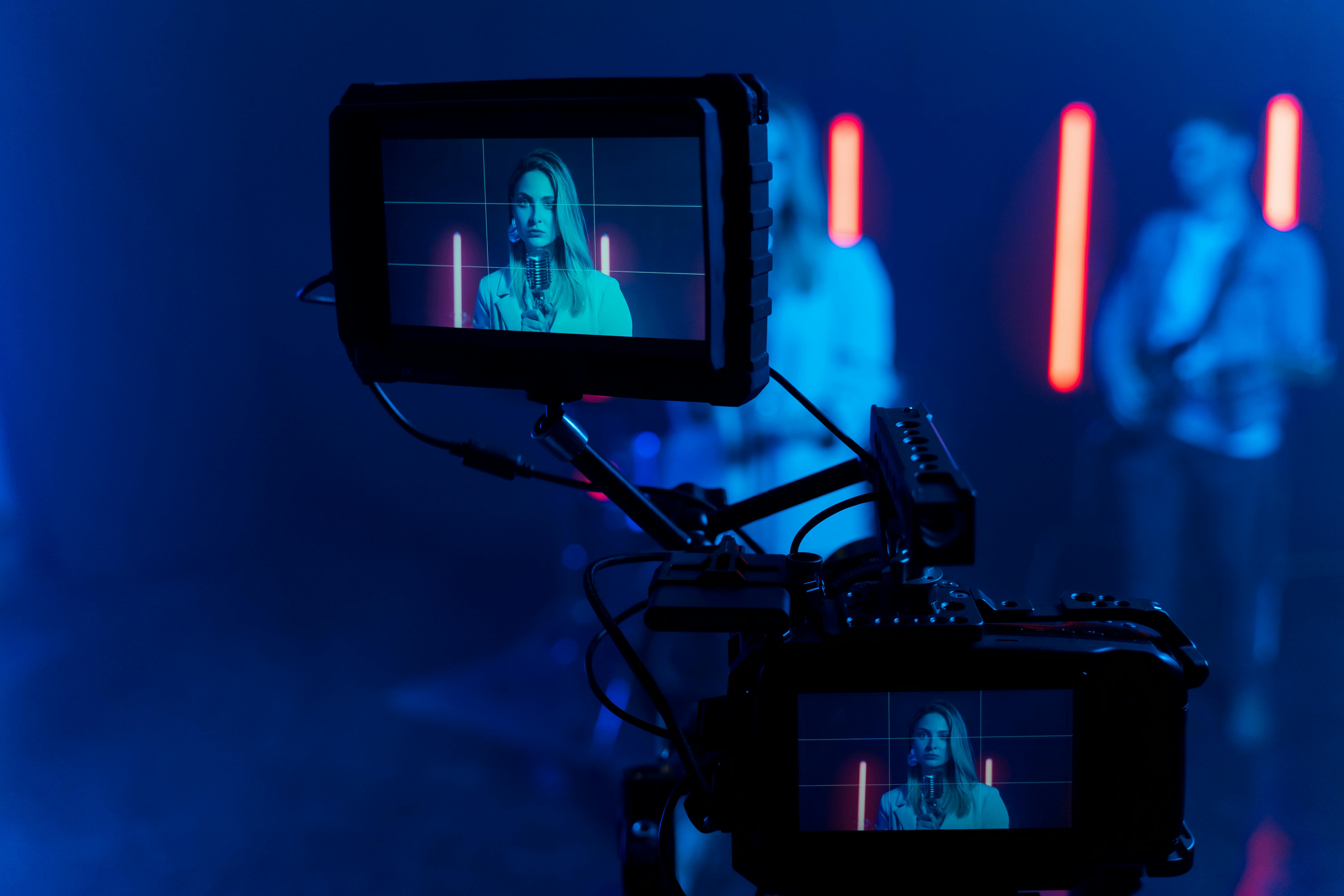
The music industry in 2026 is buzzing with generative AI, transforming music video production from a costly endeavor into an accessible, creative playground. Discover how AI music video generators, virtual production tools, and smart editing software are democratizing visual storytelling for artists, labels, and production houses, offering unparalleled efficiency and artistic freedom. Learn which AI platforms are best for your budget and creative goals, and how to leverage them for maximum impact and ROI.
Introduction to the Topic
Welcome to 2026, where the symphony of sound meets the spectacle of sight, redefined by artificial intelligence. The once-daunting process of producing a high-quality music video, often reserved for artists with significant label backing, is now within reach for virtually anyone with a creative spark. Generative AI has emerged not just as a tool, but as a silent co-director, an omnipresent production assistant, and an infinite canvas, fundamentally altering the landscape of visual music. This isn't about replacing human creativity; it's about augmenting it, accelerating it, and making it more accessible than ever before. From independent artists crafting their debut visuals to major labels pushing the boundaries of immersive experiences, AI is the engine driving the next generation of music video innovation. This article will guide you through the seismic shifts AI has brought, highlight the leading solutions, and help you navigate the lucrative opportunities in this exciting new era.
Backgrounds & Facts
For decades, music video production was synonymous with hefty budgets, extensive crews, complex logistics, and often, months of post-production. A single minute of screen time could cost tens of thousands, sometimes millions, of dollars. This financial barrier severely limited artistic expression for emerging talents and constrained creative risks even for established acts. The rise of digital cameras and editing software in the late 2000s offered some relief, but the core challenges of conceptualization, asset creation, and skilled labor remained.
Fast forward to 2026, and the narrative has completely flipped. The rapid advancements in generative AI, particularly in fields like stable diffusion, large language models (LLMs) for script generation, and neural rendering, have converged to create powerful, intuitive platforms. These AI systems can now interpret lyrical content, analyze musical structure, and even infer emotional tone to suggest visual concepts, generate photorealistic or highly stylized assets, animate complex scenes, and perform sophisticated editing tasks – all with unprecedented speed and efficiency. The global market for AI in media and entertainment, particularly in content creation, has exploded, projected to reach over $50 billion by the end of the decade. This growth is largely fueled by the democratizing effect of AI, enabling smaller teams and individual creators to produce visuals rivaling traditional studio output. A significant driver is the demand for constant, high-quality content across diverse platforms, from YouTube and TikTok to emerging metaverse experiences, making AI not just a luxury, but a necessity for staying competitive.
Expert Opinion / Analysis
We spoke with industry leaders and creative pioneers to get their take on the AI revolution. "AI isn't just a cost-saver; it's a creativity amplifier," states Dr. Anya Sharma, CEO of Visionary AI Labs, a leading developer of generative visual tools. "Artists can iterate on ideas in minutes, not weeks. They can explore visual styles that would have been financially impossible before. This empowers them to focus purely on the artistic message, letting the AI handle the complex execution."
Renowned music video director, Marcus 'M-Vision' Thorne, acknowledges the shift: "Initially, I was skeptical. I thought AI would dilute human artistry. But what I've found is that it's a phenomenal co-pilot. I can feed it a mood board, a script, even raw footage, and it returns suggestions, textures, or even full scene extensions that spark new ideas. For an indie artist looking to make a splash, an AI-powered video can now look indistinguishable from a million-dollar production, given the right prompts and artistic direction." Thorne emphasizes, "The human touch, the unique artistic vision, remains paramount. AI is a brush, not the painter."
However, the ethical considerations are also a hot topic. "Ownership, deepfakes, and the potential for job displacement are real concerns we must address as an industry," cautions Elena Petrova, Head of Legal for the Global Artists' Guild. "We advocate for transparent AI usage, fair compensation models for artists whose styles might influence AI training data, and robust watermarking to distinguish AI-generated content. The goal is coexistence and enhancement, not replacement." Despite these challenges, the consensus is clear: AI is an irreversible force, offering unprecedented opportunities for creativity and efficiency in the music video domain.
💰 Best Options in Comparison (VERY IMPORTANT)
Navigating the burgeoning market of AI music video tools can be overwhelming. To help you make an informed decision and maximize your production budget, we've analyzed the leading platforms designed for various needs and skill levels. Whether you're an independent artist, a small label, or a seasoned production house, there's an AI solution ready to elevate your visual storytelling.
- VisualSynth Pro (Enterprise & High-End Studios): The industry standard for professional studios and major labels. VisualSynth Pro offers unparalleled control over every visual parameter, real-time collaborative editing, advanced neural rendering for hyper-realistic visuals, and direct integration with industry-standard VFX software. Its robust API allows for custom plugin development and seamless workflow integration. Features include multi-modal input (audio, text, image, 3D models), dynamic scene generation, emotion-driven visual response, and a comprehensive asset library.
- RhythmRender AI (Independent Labels & Mid-Tier Productions): A powerful, versatile platform balancing professional features with an intuitive interface. RhythmRender AI is perfect for independent artists and labels looking for high-quality results without the enterprise price tag. It excels in style transfer, automated editing based on musical cues, and generating abstract or thematic visuals from lyrics. It offers a tiered subscription model, making it scalable as your needs grow.
- ClipCrafter Express (Solo Artists & Budget-Conscious Creators): The go-to for beginners and artists with limited budgets. ClipCrafter Express focuses on ease of use, offering a vast library of customizable templates, drag-and-drop functionality, and AI-powered suggestions to quickly generate engaging visuals. While it may lack the granular control of higher-end options, its speed and affordability are unmatched for quick social media content or compelling lyric videos.
- MetaVerse Director (Immersive & Interactive Experiences): Specializing in cutting-edge interactive and immersive music video content for VR/AR platforms and the metaverse. MetaVerse Director allows creators to design explorable 3D environments, integrate real-time audience interaction, and generate dynamic visuals that respond to viewer choices. It's the future of music video consumption, offering unique monetization opportunities through digital asset sales and interactive events.
To further assist your decision, here's a detailed comparison table:
| Feature / Platform | VisualSynth Pro | RhythmRender AI | ClipCrafter Express | MetaVerse Director |
|---|---|---|---|---|
| Target User | Enterprise, Major Labels, Pro Studios | Indie Labels, Mid-Tier Productions | Solo Artists, Beginners, Small Budget | Immersive Content Creators, Brands |
| Output Quality | Hyper-realistic to Ultra-stylized, 8K+ | High-quality, 4K-8K, Professional Look | Good, 1080p-4K, Social Media Optimized | Real-time 3D, Interactive, VR/AR Ready |
| Ease of Use | Advanced, requires expertise | Moderate, intuitive for creatives | Very Easy, template-driven | Moderate to Advanced (3D design skills helpful) |
| Key Features | Real-time collaboration, custom AI models, API, advanced VFX integration, multi-modal input | AI-driven editing, style transfer, lyrical interpretation, extensive asset library, tiered plans | Template library, drag-and-drop, automated scene generation, social media export | Interactive environments, audience engagement tools, VR/AR export, metaverse integration |
| Pricing Model | Custom Enterprise Licenses, Project-based | Subscription (Basic, Pro, Studio tiers from $49/month) | Free Tier, Premium Subscription ($9-$29/month) | Subscription (Creator, Pro, Event tiers from $79/month) |
| Unique Selling Point | Unparalleled control & fidelity for top-tier productions | Best balance of quality, features, and affordability for serious indies | Fastest way to generate decent visuals for social media & new artists | Pioneer in immersive, interactive music video experiences |
Outlook & Trends
The future of AI in music video production is vibrant and dynamic. By 2027-2028, we anticipate even deeper integration of AI into every stage of the creative process, from pre-visualization and scriptwriting to real-time performance capture and personalized viewer experiences. Imagine AI systems that can generate entire narratives based on a song's emotional arc, or dynamically adjust visuals in real-time during a live concert based on audience interaction and biometric data. Hyper-personalized music videos, where each viewer experiences a slightly different visual narrative tailored to their preferences or past viewing habits, are on the horizon.
The rise of volumetric video capture combined with AI will allow artists to create digital twins that can perform in an infinite array of virtual environments without ever stepping onto a physical set. We'll also see AI becoming a collaborative partner in truly interactive music videos, where viewer choices directly influence the plot or visual style, creating unique, unrepeatable experiences. Ethical AI development will continue to be a critical focus, ensuring fair compensation and clear attribution for artists, and establishing industry standards for AI-generated content. The synergy between human ingenuity and artificial intelligence promises a golden age of visual music, pushing the boundaries of what's possible and redefining the very nature of artistic expression.
Conclusion
The year 2026 marks a pivotal moment in music video history. AI is no longer a futuristic concept but a present-day reality, empowering creators with tools that democratize production, slash costs, and unlock unprecedented levels of creative freedom. From budget-friendly solutions for emerging artists to high-end platforms for major studios, the options are diverse and powerful. By embracing these AI innovations, artists and labels can not only produce stunning visuals more efficiently but also connect with audiences in novel, engaging ways, ultimately boosting their reach and revenue. The time to invest in AI-powered music video production is now. Explore the options, experiment with the possibilities, and let AI help you bring your sonic masterpieces to life in ways you never thought possible. The stage is set for a visual revolution – are you ready to direct it?